Overview
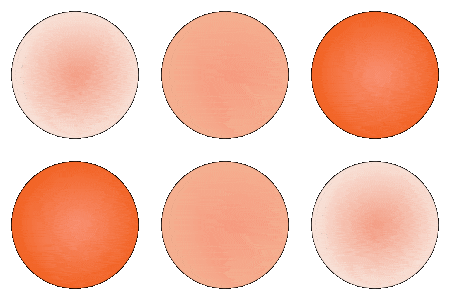
Striker
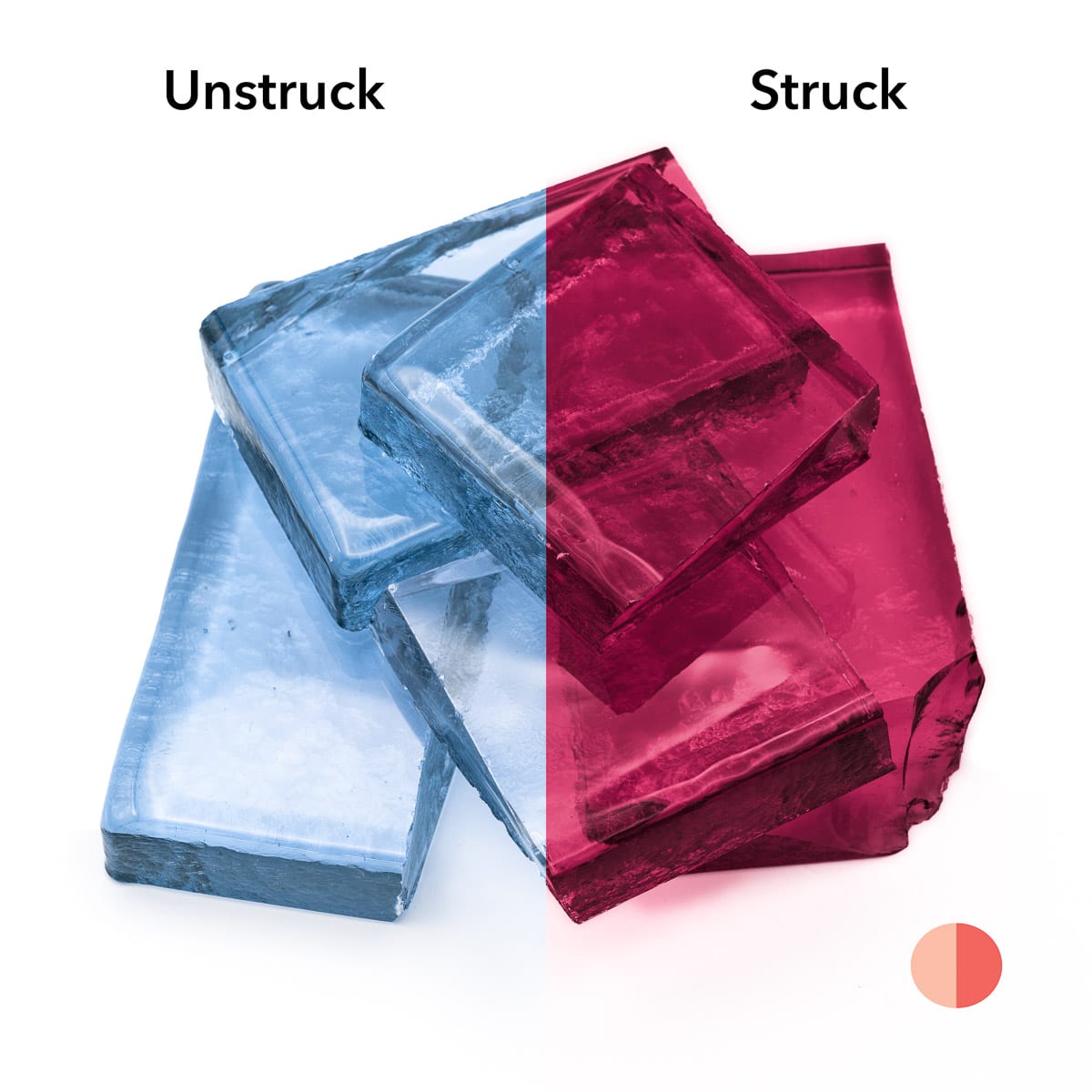
This style may not reveal (strike to) its target color until fired.
Reactive Potential
Contains: Lead (Pb)
May React With: Selenium (Se) / Sulfur (S)
Forms of Glass
Sheet Glass (-0030, -0050), Frit (-0001, -0002, -0003, -0008) and Billet (-0065)
Detailed Information
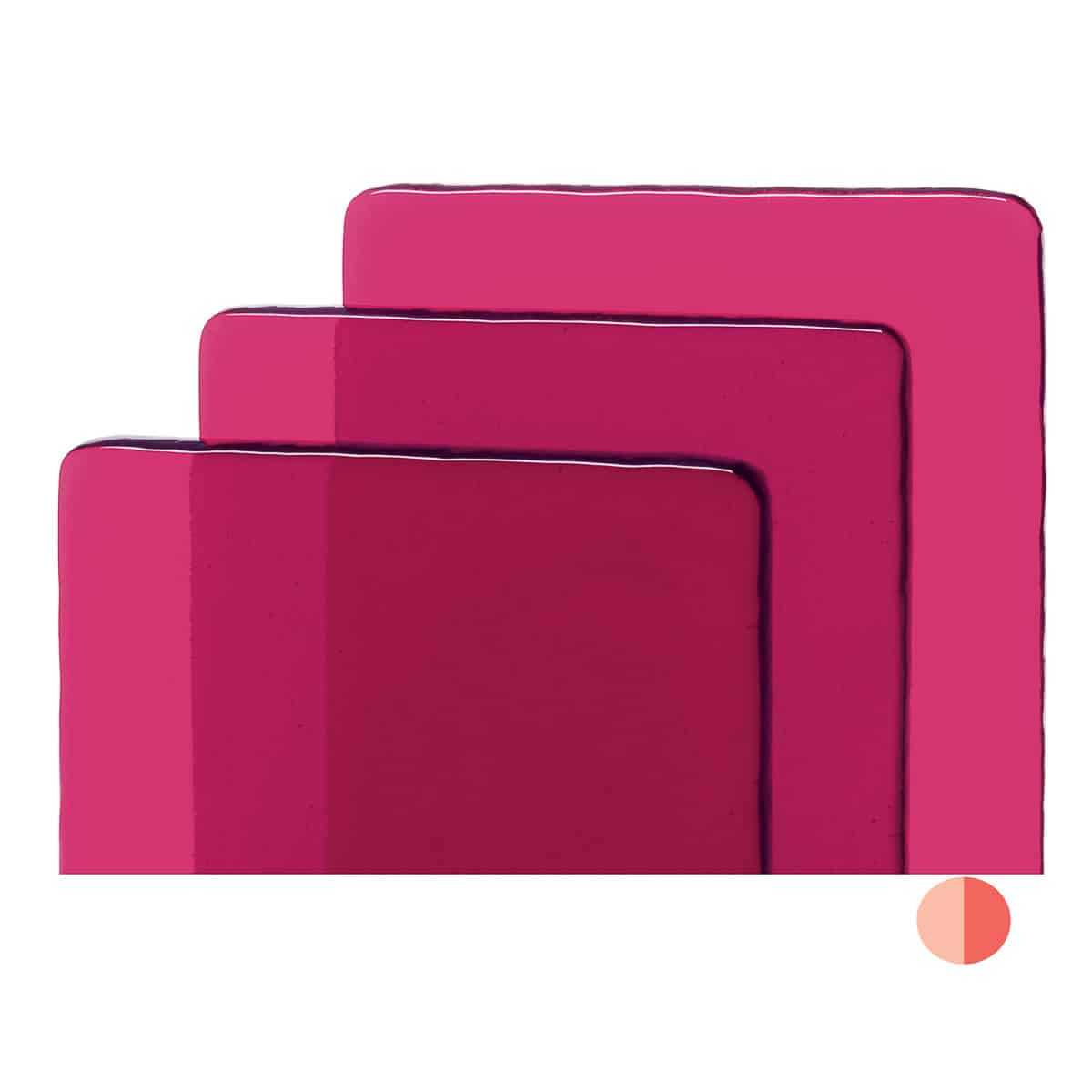
About 001831 Sheet Glass
Cold Characteristics
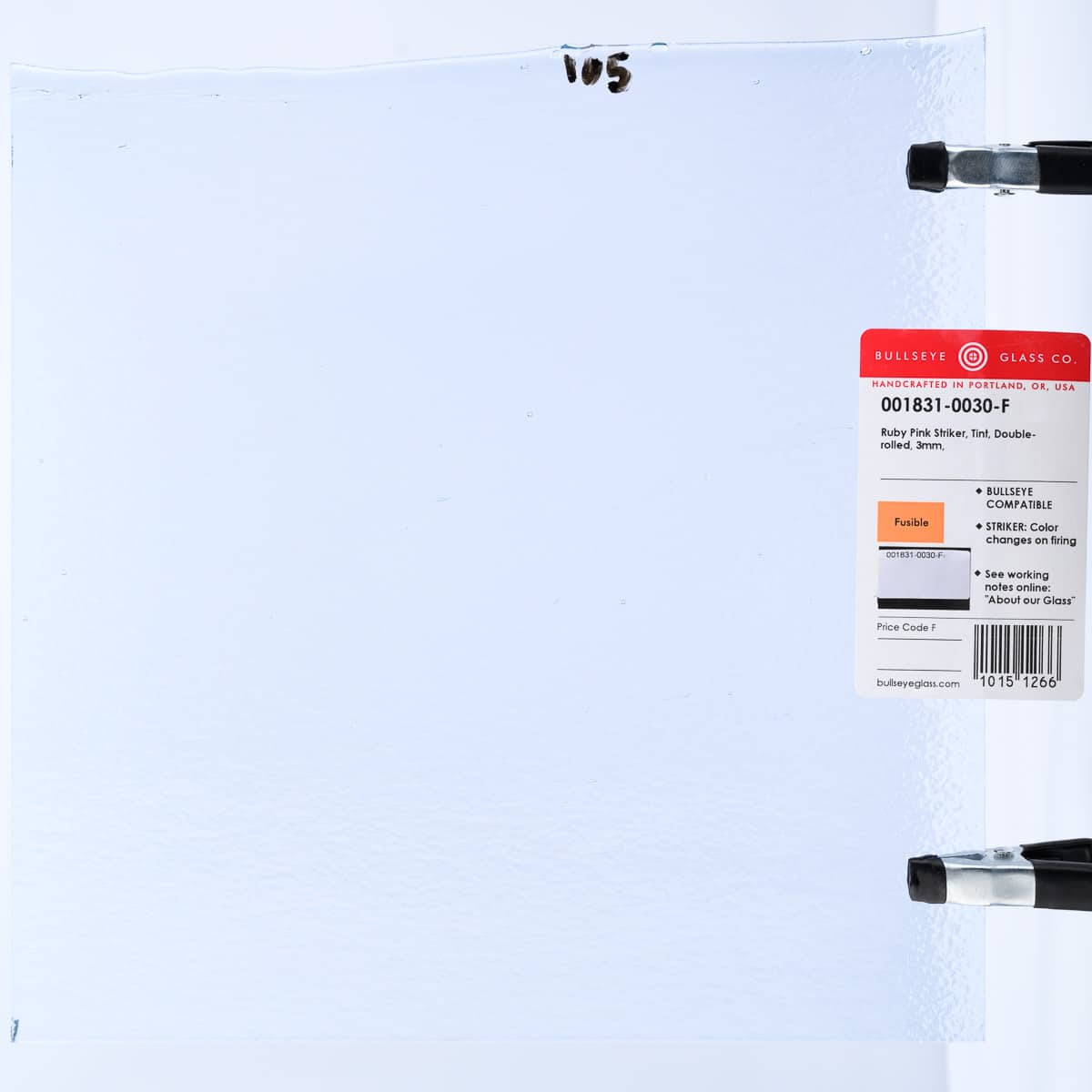
Appears almost clear with blue/purple tint.
Working Notes
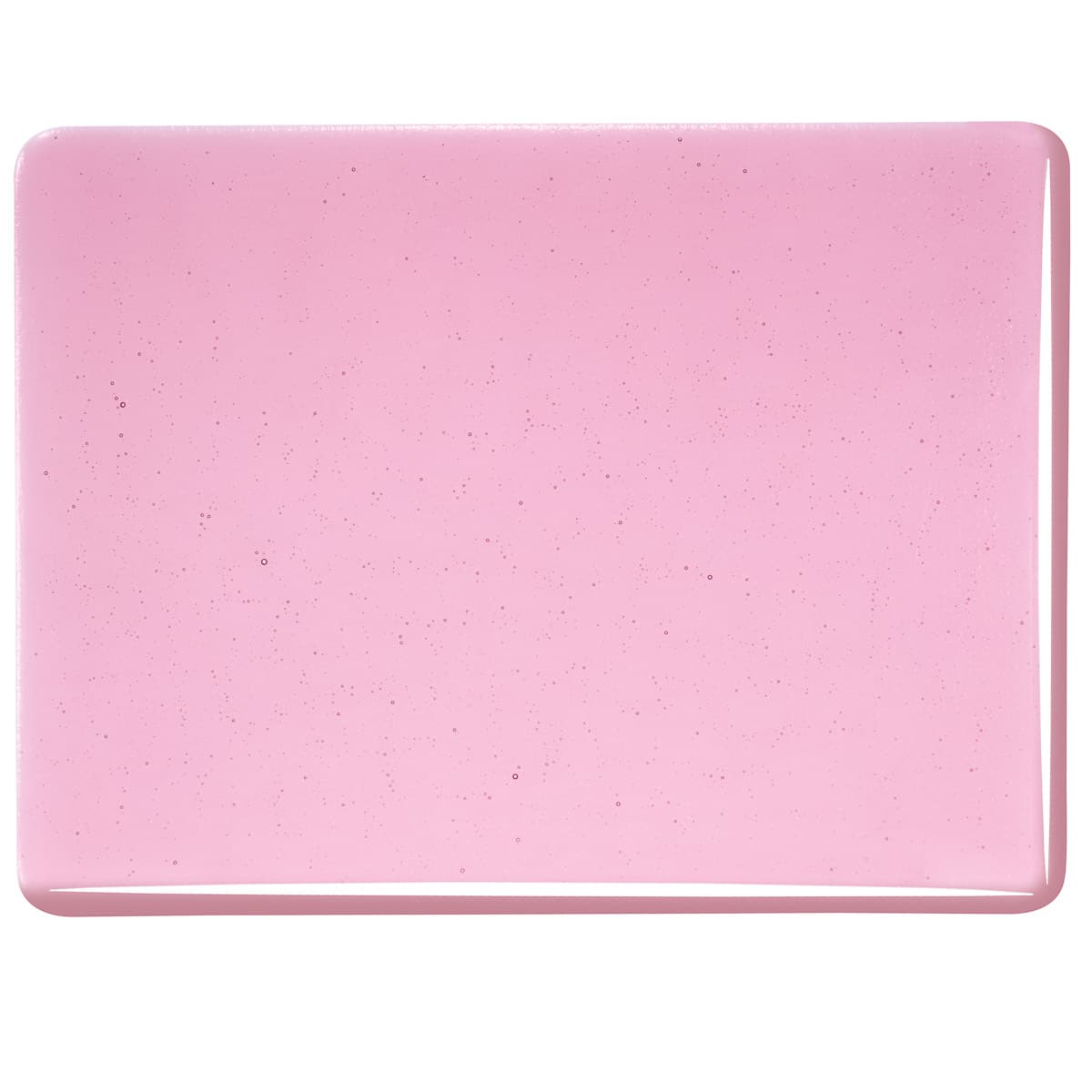
Color usually deepens on firing. Possible dark interface reaction with selenium and/or sulfur glasses (000137, 001122, 001125, 000124, 000125, 001137, 001437). Less viscous (softer) than most other glasses.
Some striking glasses that use gold as their coloring agent, like this one, must be fired with a 2 hour hold in the range of 1200-1225°F during the initial stages of the firing cycle in its first firing to properly develop their color. If fired without this hold, or in a kiln that runs hotter than average, they may not strike at all, or they may strike but appear spotty and have a blue-brown cast, as opposed to their intended color. We have found that holding at 1200°F for 2:00 offers consistent color development with this style across a range of kilns and production dates, and functions as an adequate bubble squeeze for most projects.
If your work depends on a bubble squeeze at 1225°F we recommend doing a small test on this style and other striking transparent pink glasses before beginning a project as they require precise heating to strike properly. For full information and testing strategies see the article Properly Pink, Purple and More.
Example firing schedule for a 6mm full-fuse that includes 1831 Ruby Pink Tint in its layup.
| RATE | TEMPERATURE | HOLD TIME |
|---|---|---|
| * | (1200°F – 1225ºF) | 2:00 |
| 600ºF | 1490 | 0:10 |
| 9999 | 900 | ** |
**Remainder of cycle depends on the thickness of the piece. Consult the Bullseye Annealing Chart.
For color-sensitive projects, we recommend testing the cycle you plan to use by fusing a small sample of a similar setup in the same kiln as the project to best predict final color results.
About 001831 Frit
Working Notes
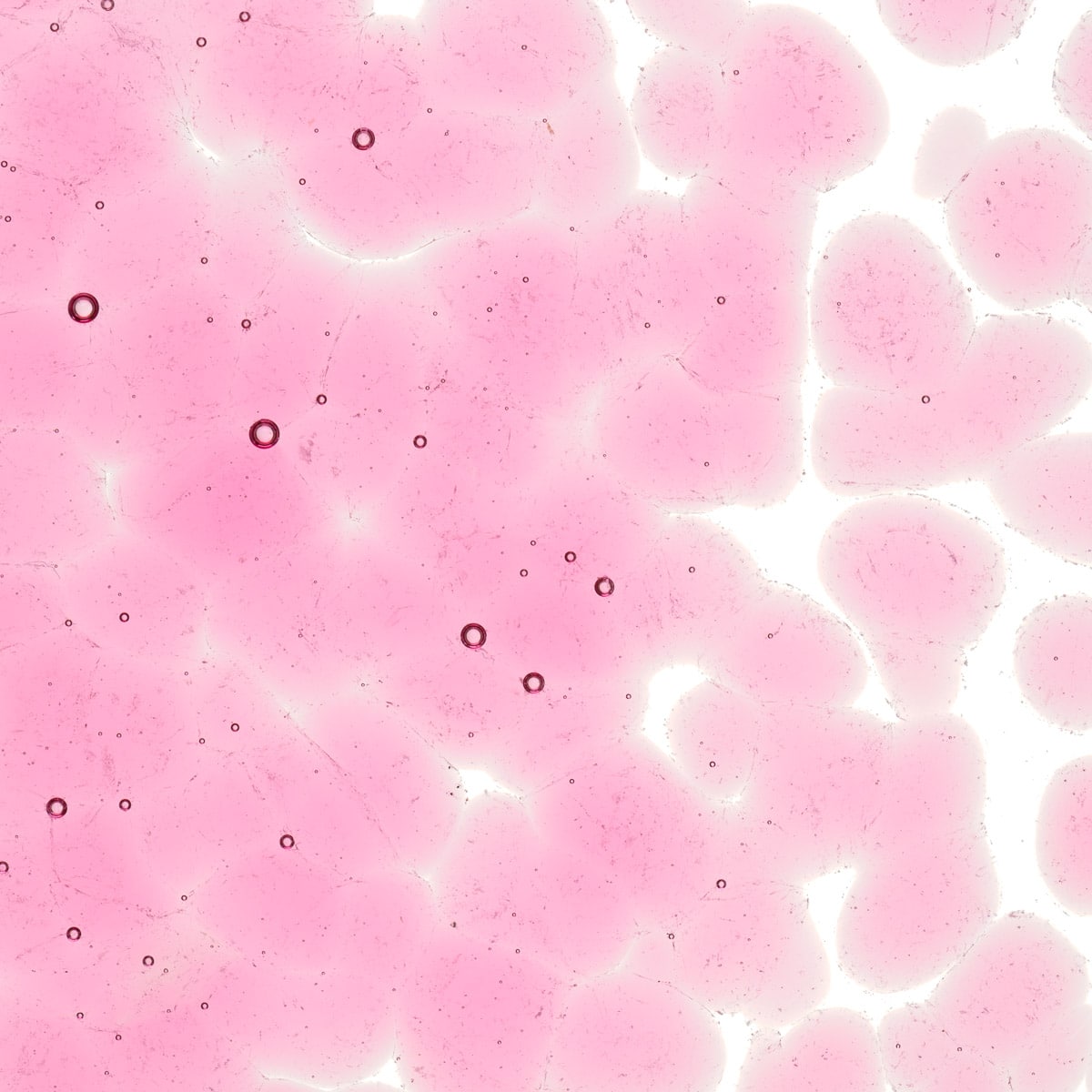
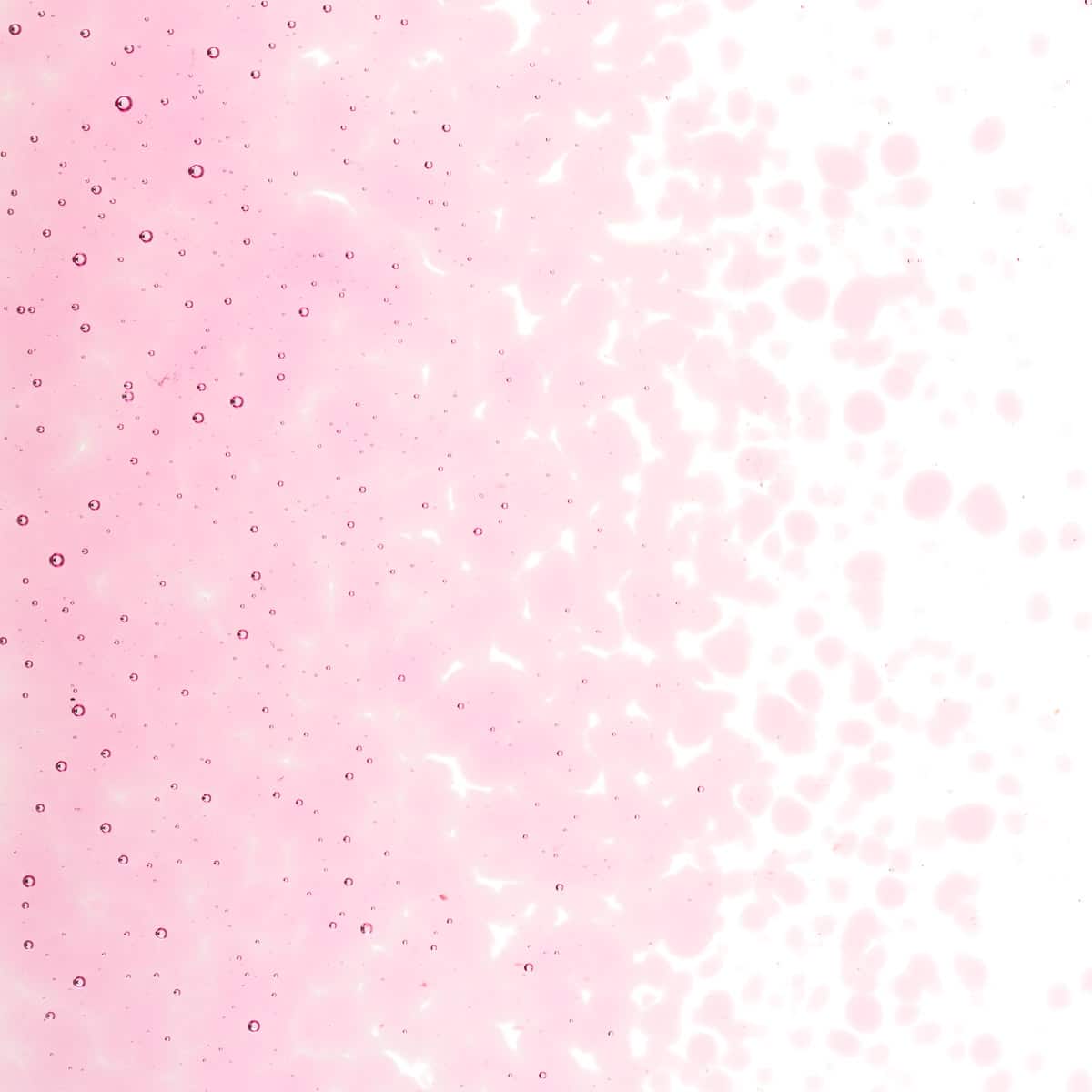
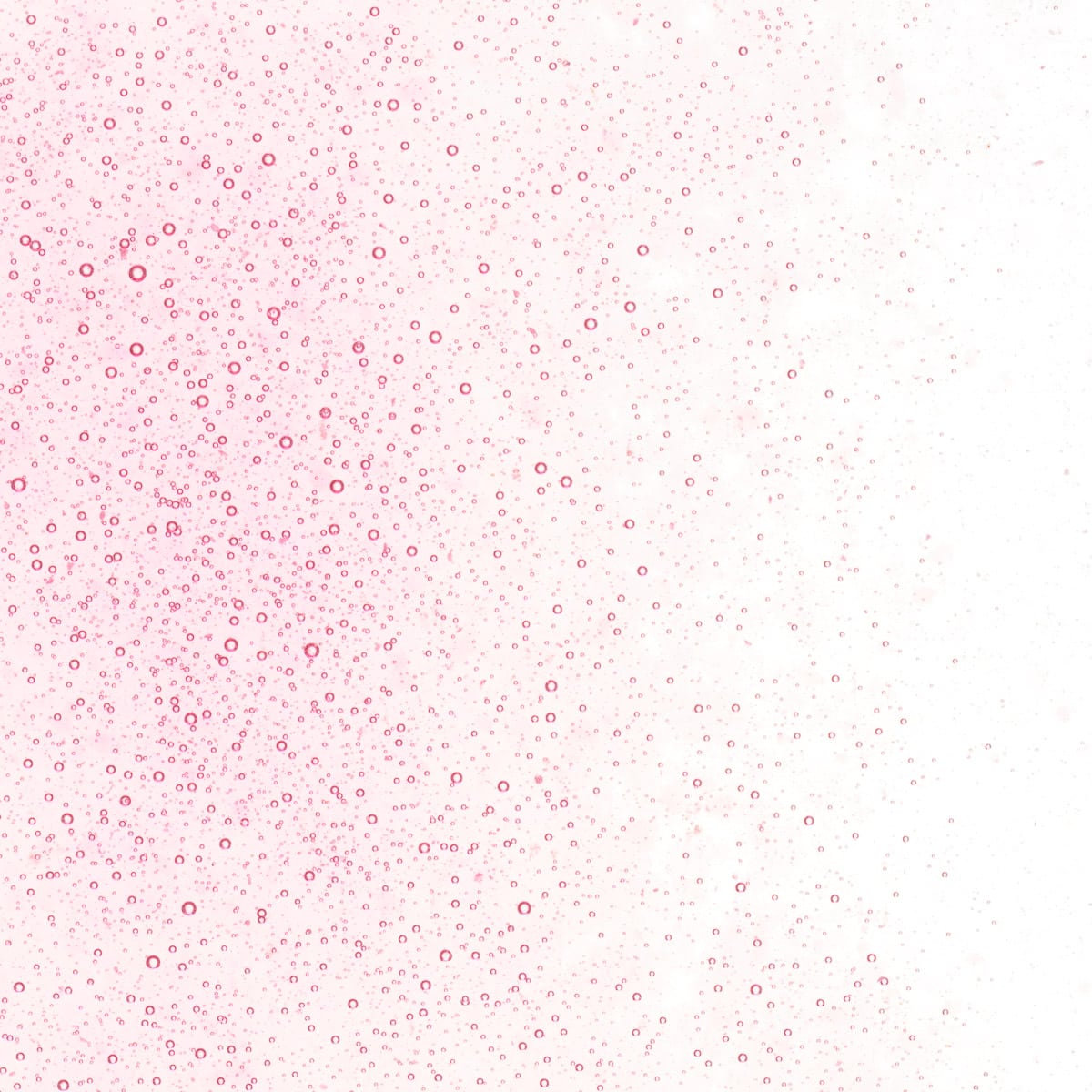
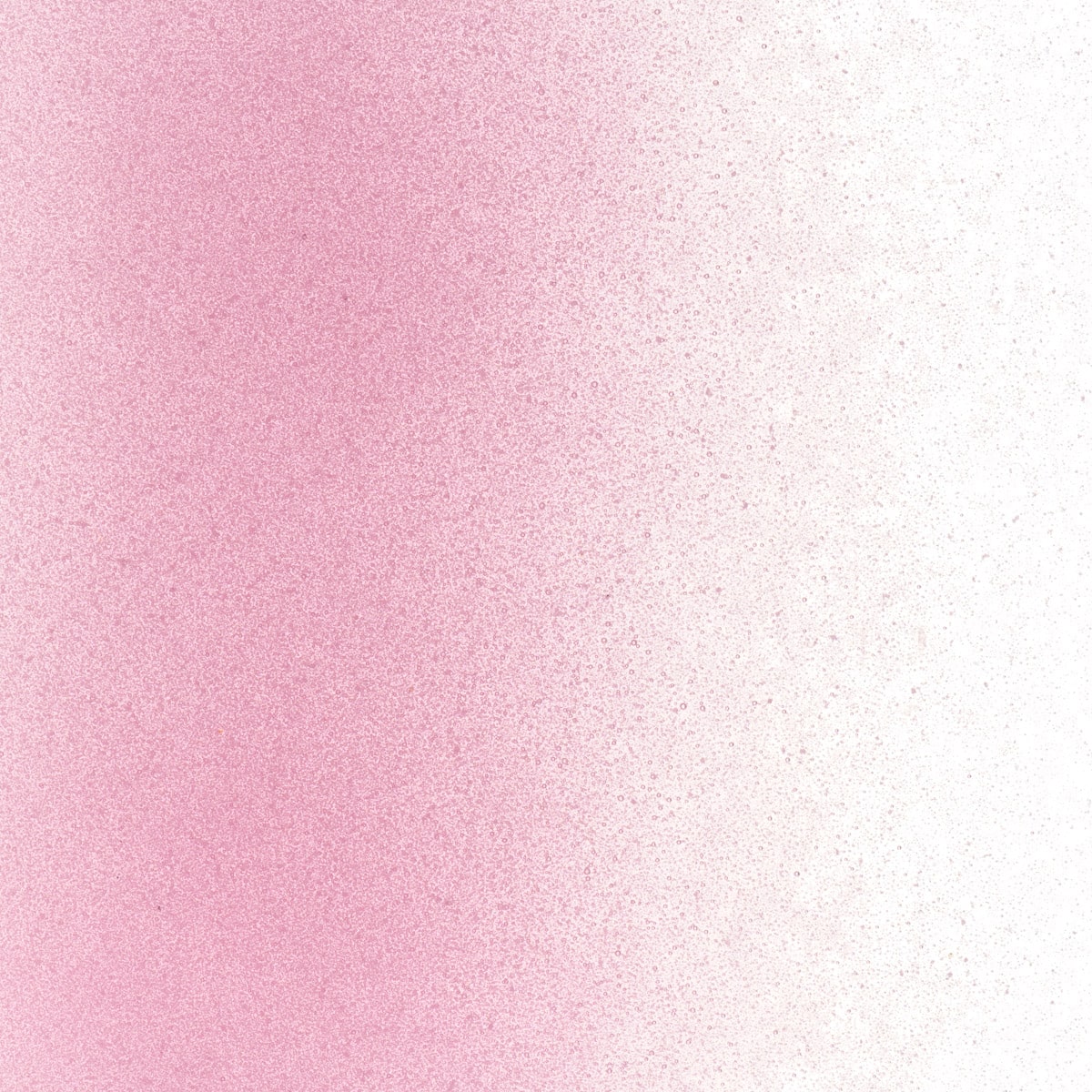
See sheet glass notes for this style.
About 001831 Billet
Working Notes
Color usually deepens on firing. Possible dark interface reaction with selenium and/or sulfur glasses (000137, 001122, 001125, 000124, 000125, 001137, 001437). Less viscous (softer) than most other glasses.
Some striking glasses that use gold as their coloring agent, like this one, must be fired with a 2 hour hold in the range of 1200-1225°F during the initial stages of the firing cycle in its first firing to properly develop their color. If fired without this hold, or in a kiln that runs hotter than average, they may not strike at all, or they may strike but appear spotty and have a blue-brown cast, as opposed to their intended color. We have found that holding at 1200°F for 2:00 offers consistent color development with this style across a range of kilns and production dates, and functions as an adequate bubble squeeze for most projects.
If your work depends on a bubble squeeze at 1225°F we recommend doing a small test on this style and other striking transparent pink glasses before beginning a project as they require precise heating to strike properly. For full information and testing strategies see the article Properly Pink, Purple and More.