
Category: Index of Articles
-
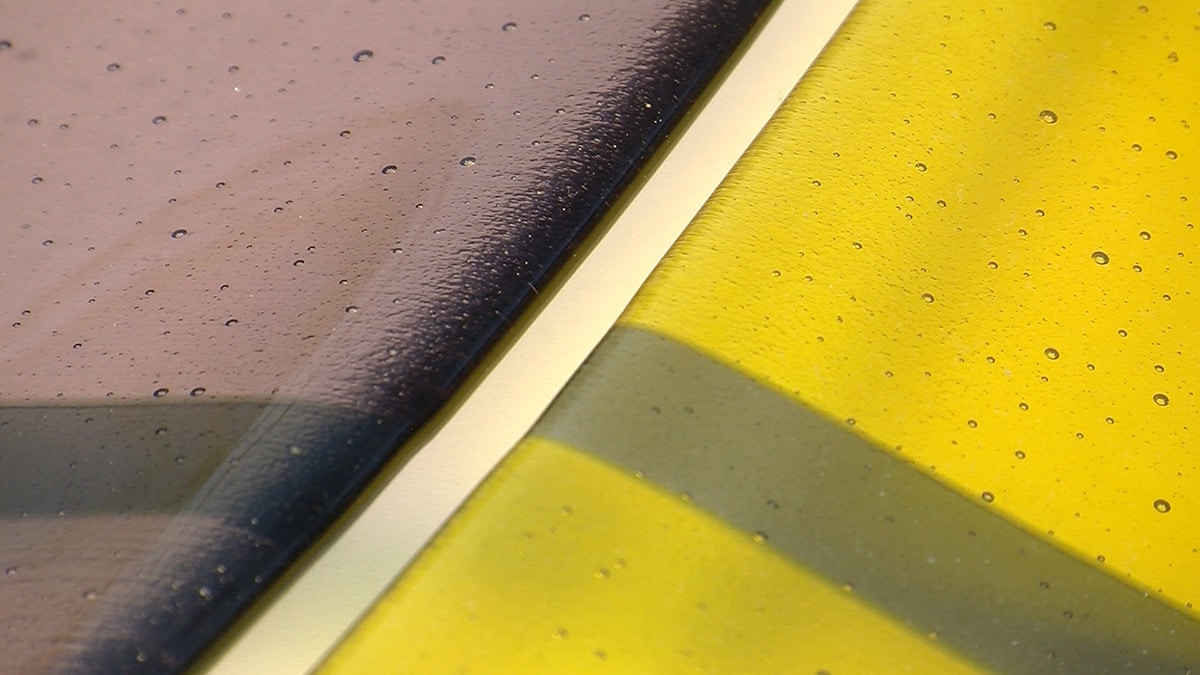
TechNotes 5: Volume & Bubble Control
Understanding Distortion & Trapped Air When Firing Bullseye Glass Two common problems encountered when fusing glass are distortions of shape and unanticipated bubbles. To avoid these effects—or to engineer them…
-
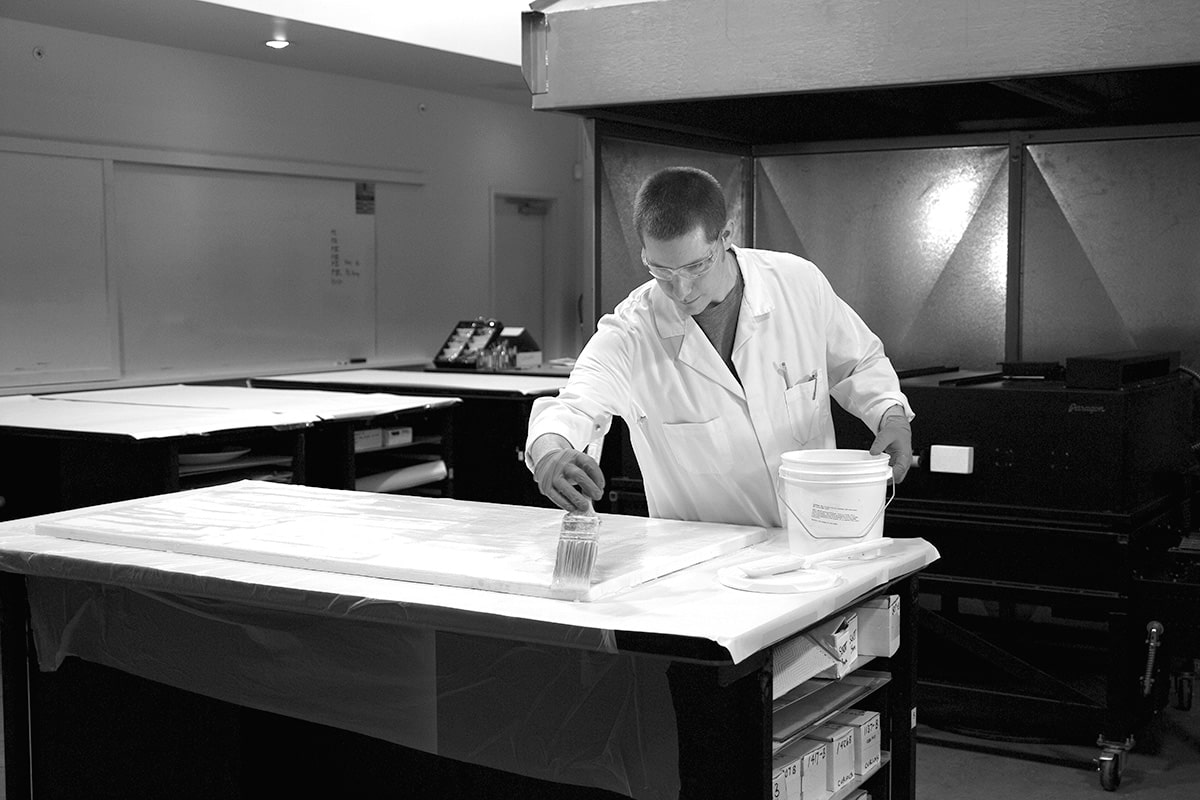
TechNotes 6: Preparing the Shelf System for a Large Kiln
Creating a Reliable Shelf System Creating large, finished glasswork that is flat, uniform, and well annealed is highly dependent upon having a reliable shelf system. An ideal shelf system for…
-
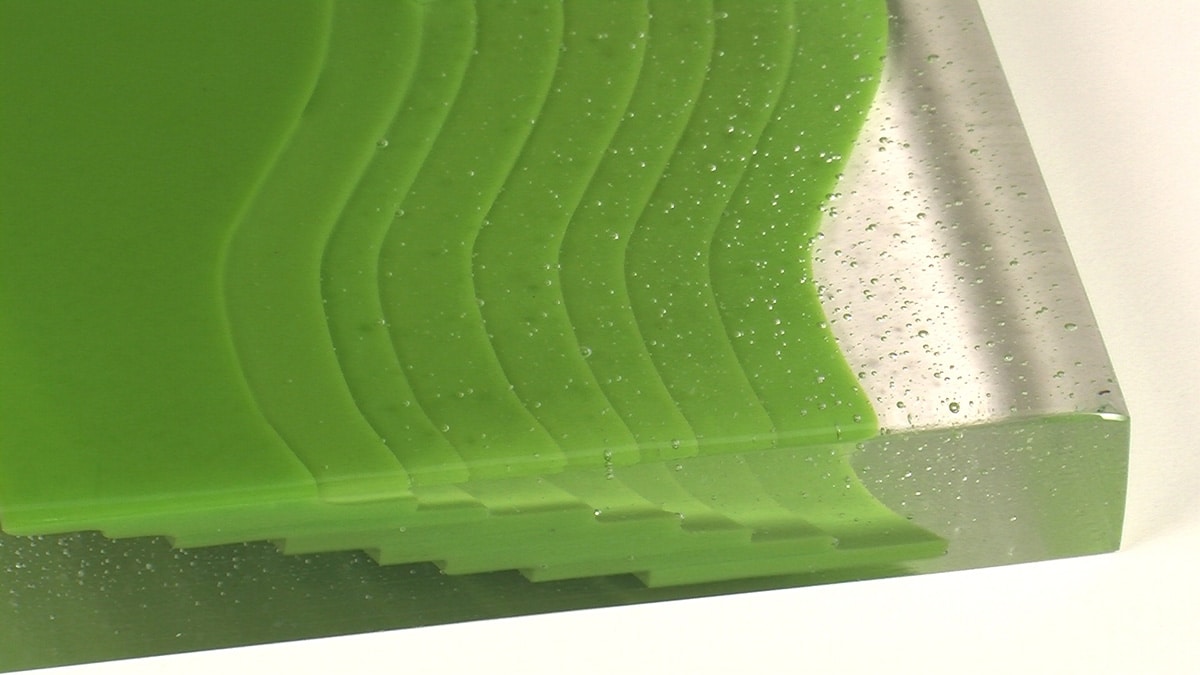
TechNotes 7: Monitoring Kiln Temperatures for Successful Annealing
The Importance of Achieving Uniform Cooling When kilnforming glass, especially largescale work, it is important to cool the glass uniformly throughout the annealing range. The temperature difference within the glass—from…
-
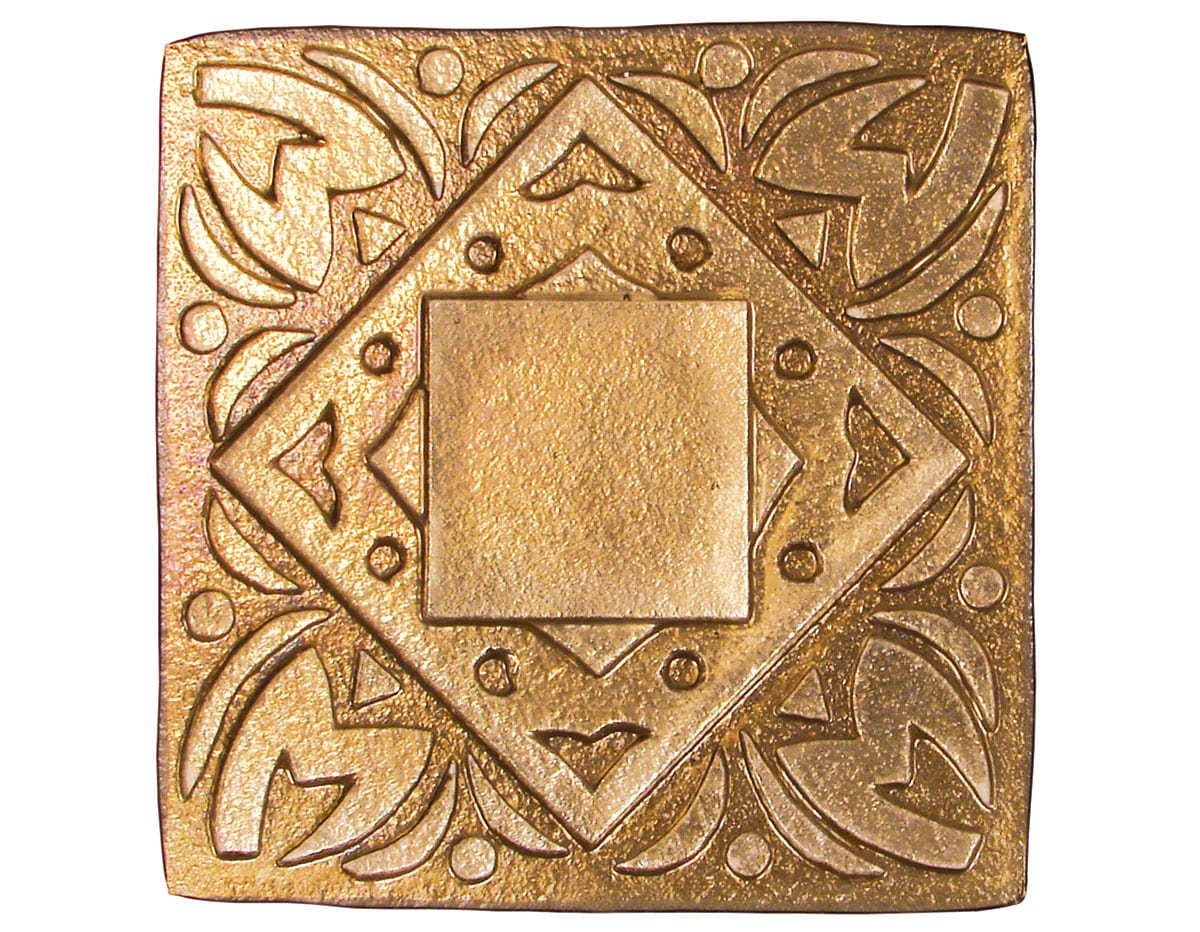
TipSheet 1: Kilncarving
A Simple Kilnforming Technique Developed by Rudi Gritsch “Kilncarving” is a term coined at Bullseye to describe a simple kilnforming process that achieves a bas relief, textured, or sculpted look…
-
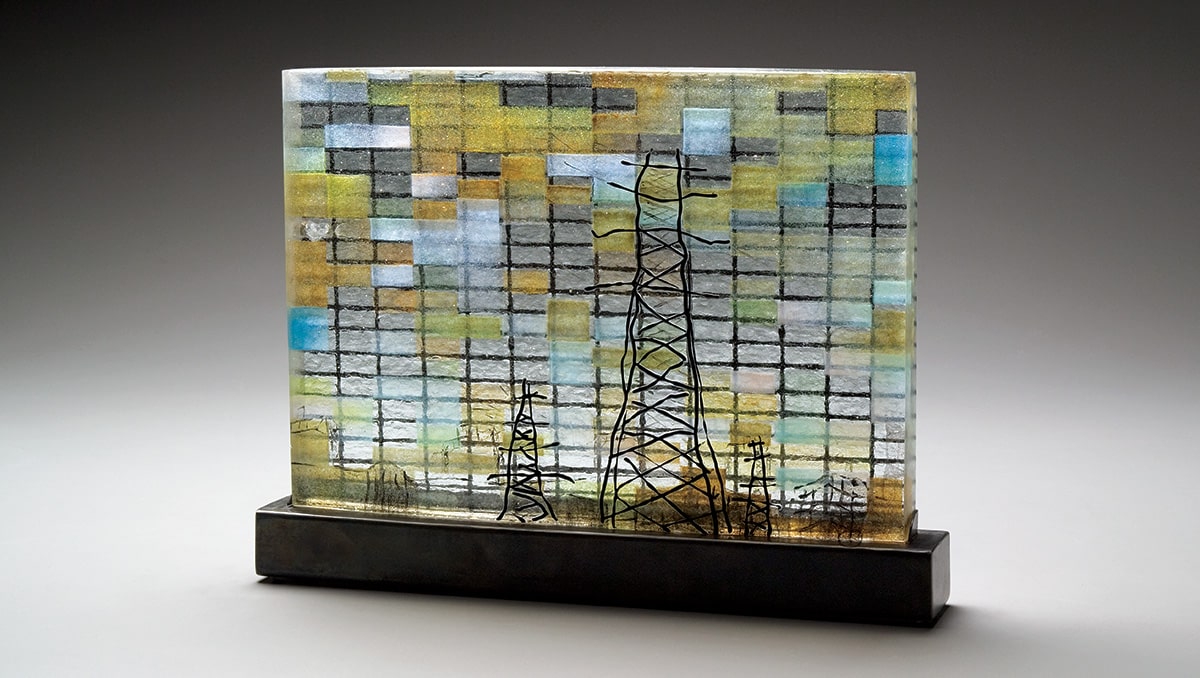
TipSheet 3: Working Deep
Stack Firing for Embedded Imagery This TipSheet will introduce you to ways to float imagery and color within thick blocks of clear glass. Historically, thick glass castings have resulted from…
-
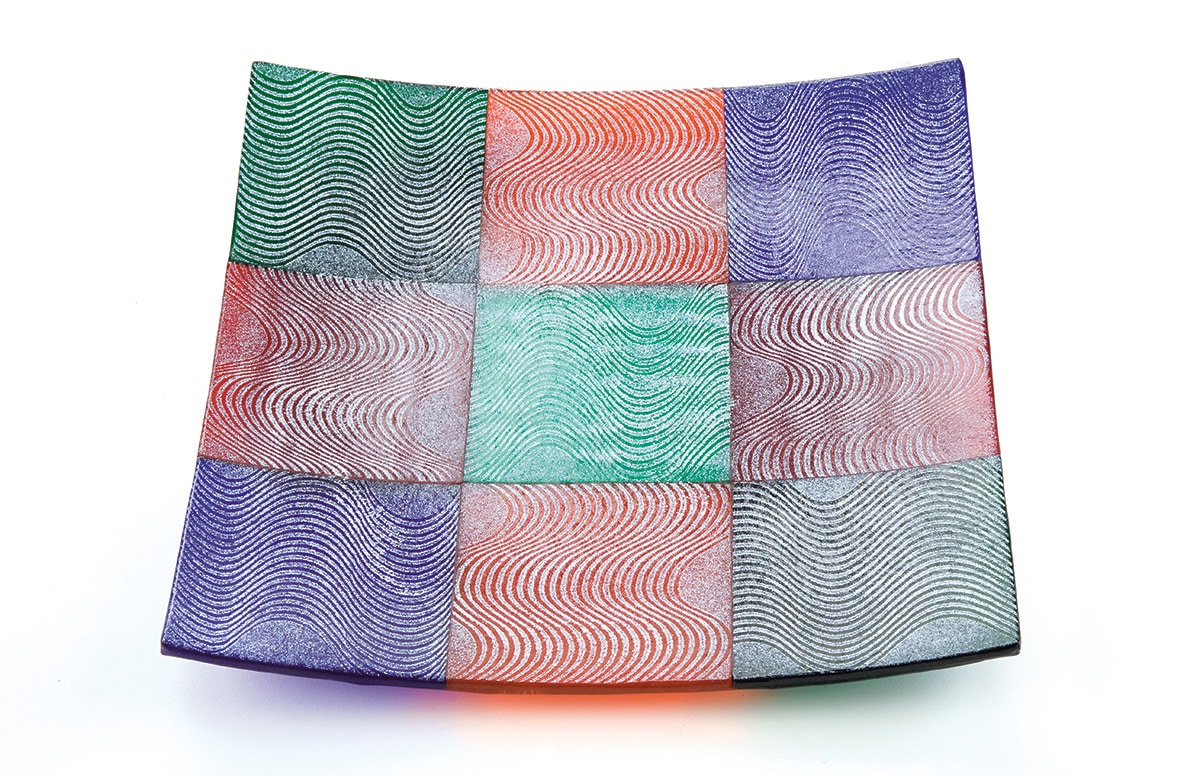
TipSheet 4: Designing Your Own Art Glass
Discover One of the Most Empowering Potentials of Glass Fusing Working with a palette of glass frit, powder, and stringers, you can create unique sheets of art glass to use…
-
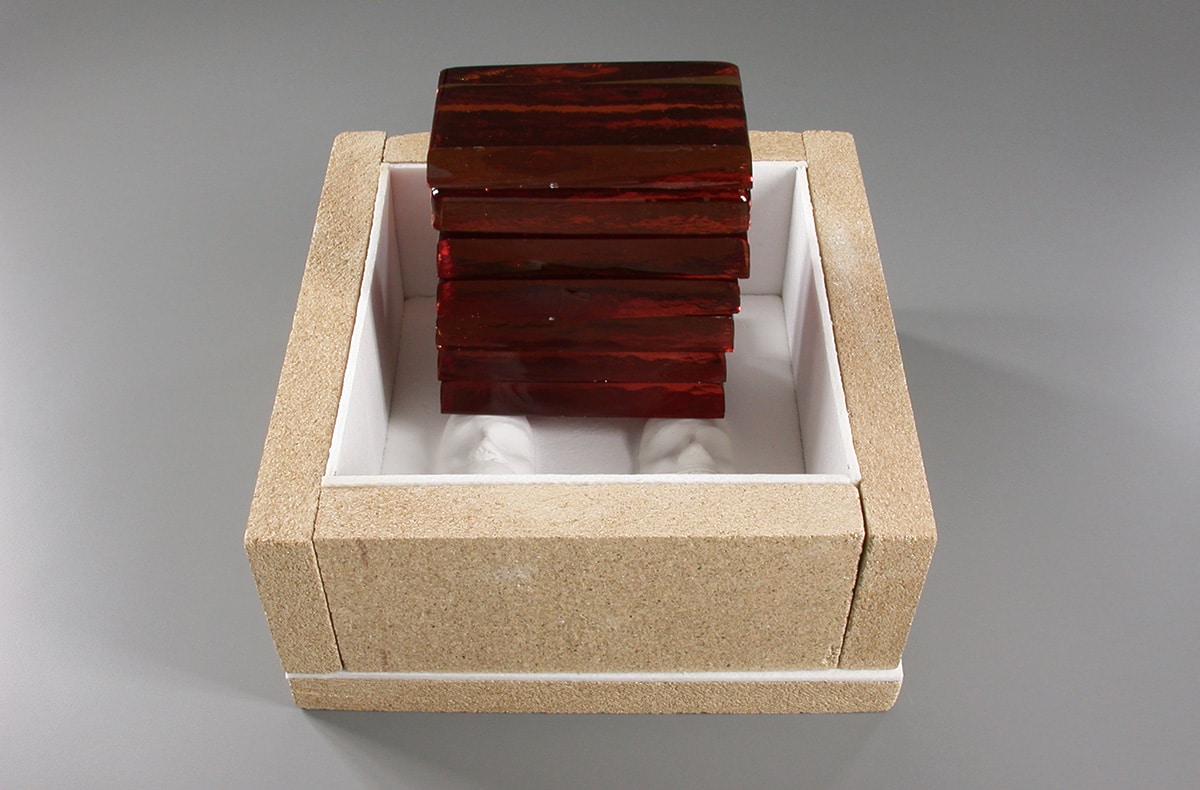
TipSheet 5: Bullseye Box Casting
Reverse-Relief Kilncasting in an Assembled Mold This TipSheet describes how to create a reverse-relief cast glass object with the optical clarity of a furnace casting, using plaster/silica design elements in…
-
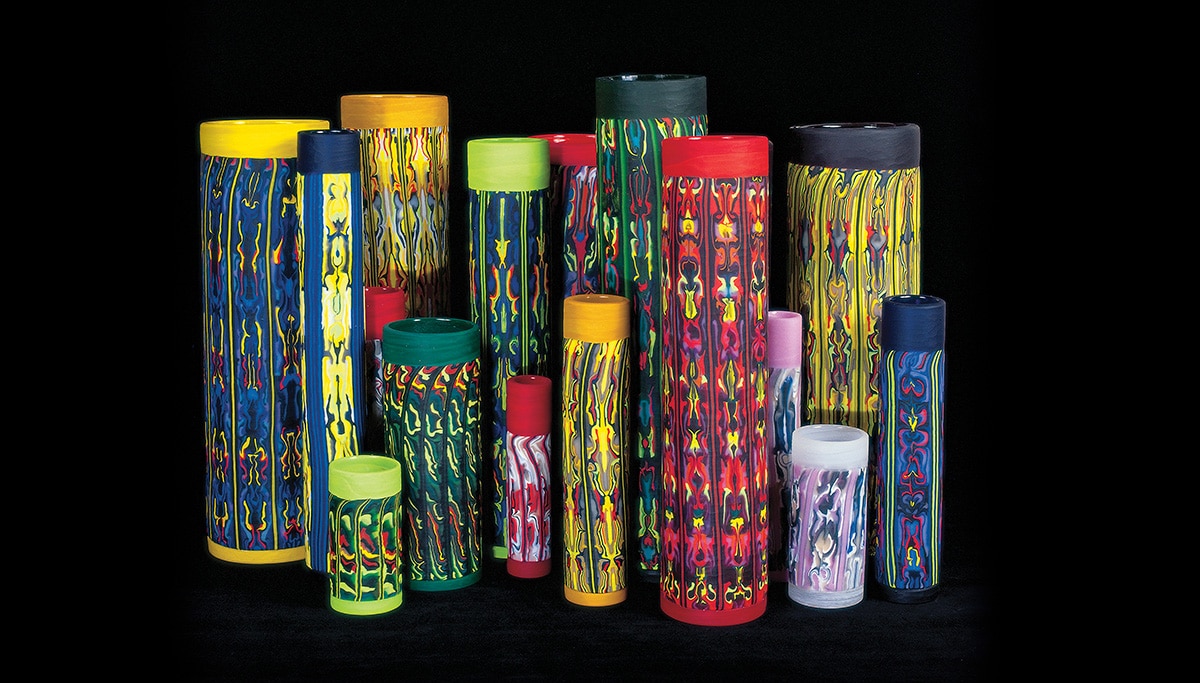
TipSheet 6: Roll-Ups
A Brief History of the Roll-Up In 1993, Klaus Moje and Dante Marioni took part in the Connections project at the Bullseye factory in Portland. Together they explored the idea…
-

Safety in the Kiln-Glass Studio
General Considerations Good housekeeping and common sense go a long way toward ensuring safety in the kilnforming studio. Ventilate your studio well, keep dust to a minimum, and confine hazardous…
-
Glass Cleaning Basics
Simple & Essential Cleaning glass before firing it removes problem causing contaminants like glass-cutting fluid, oils, minerals, salts, dusts, fibers, sticker residues, fingerprints, and pen marks. If these substances are…
-
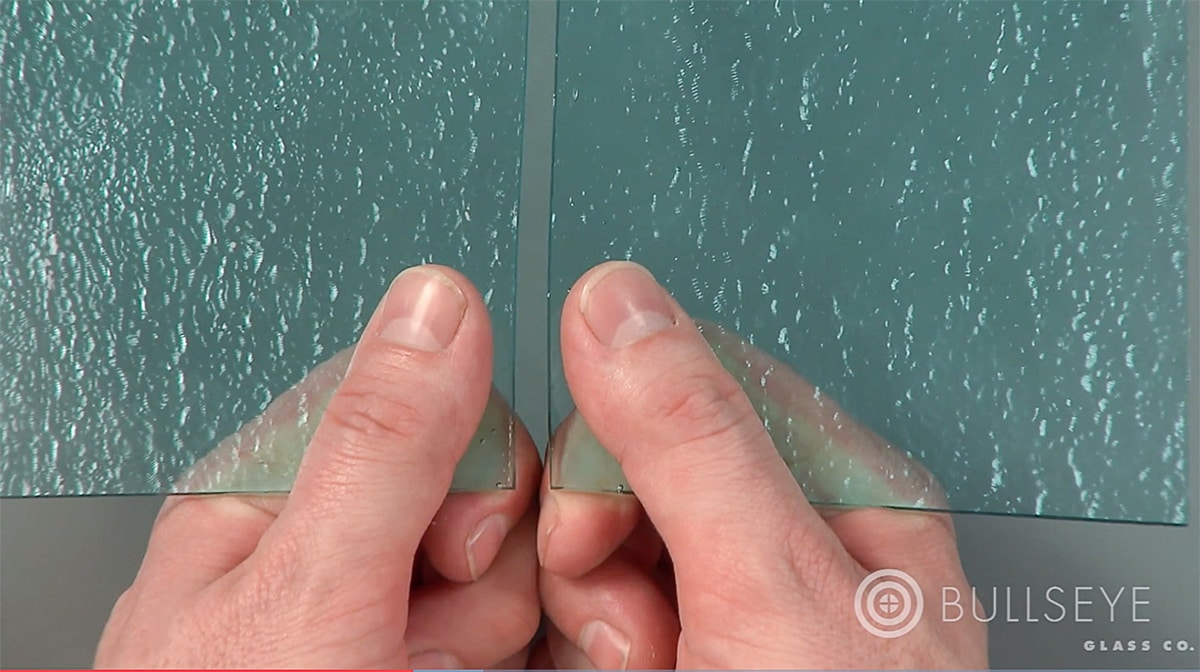
Glass Cutting Basics
Basic Principles A glass cutter does not saw glass. Rather, its cutting wheel “scores” the glass—creating a shallow fissure as it rolls across the surface. This fissure, or “scoreline,” breaks…
-
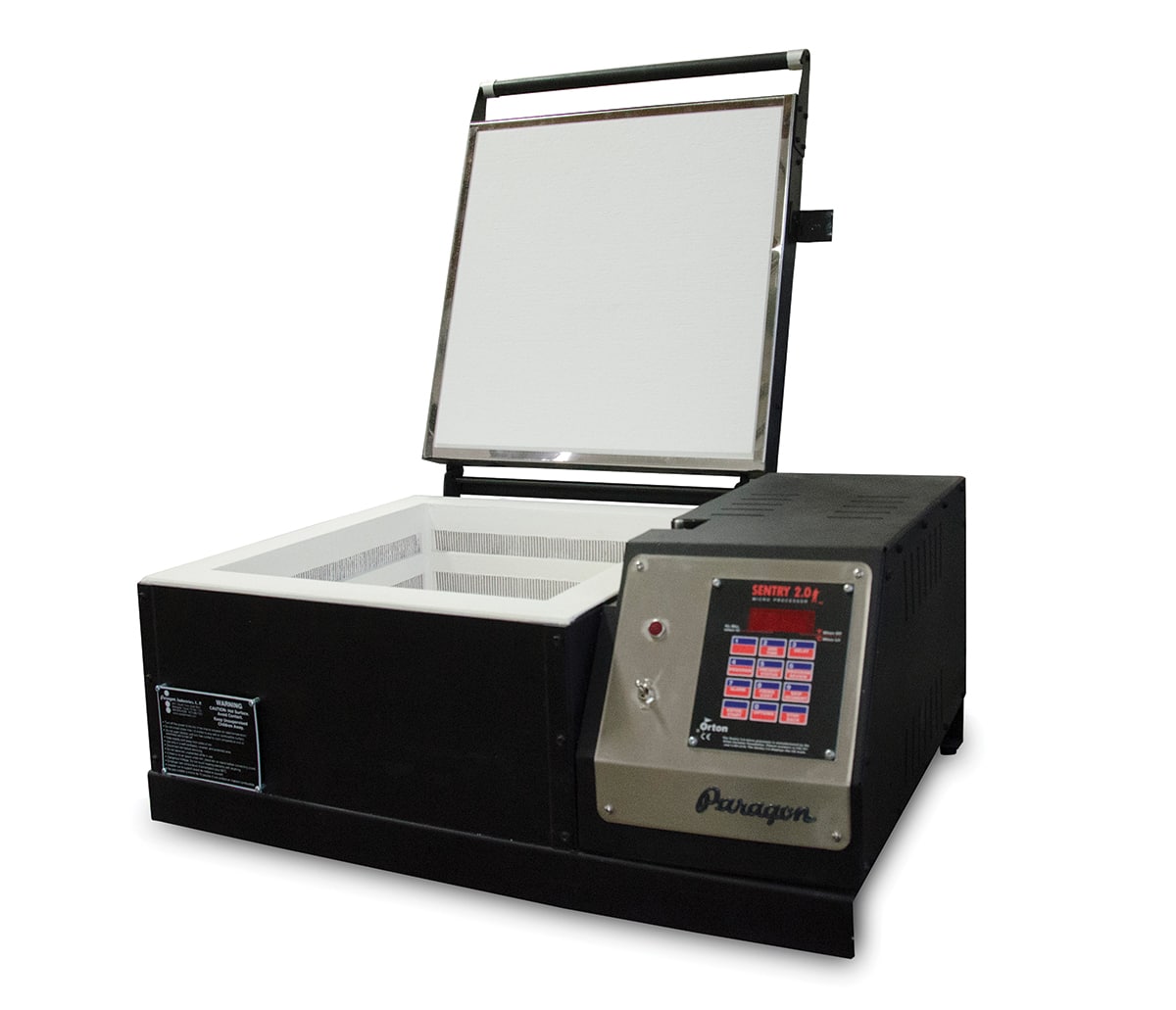
TechNotes 1: Knowing Your Kiln
Improve Kilnforming Results To achieve control in firing glass, it is necessary to understand how heat is distributed within the kiln you are using. Kiln heat is rarely even. Top-fired…