Category: Index of Articles
-
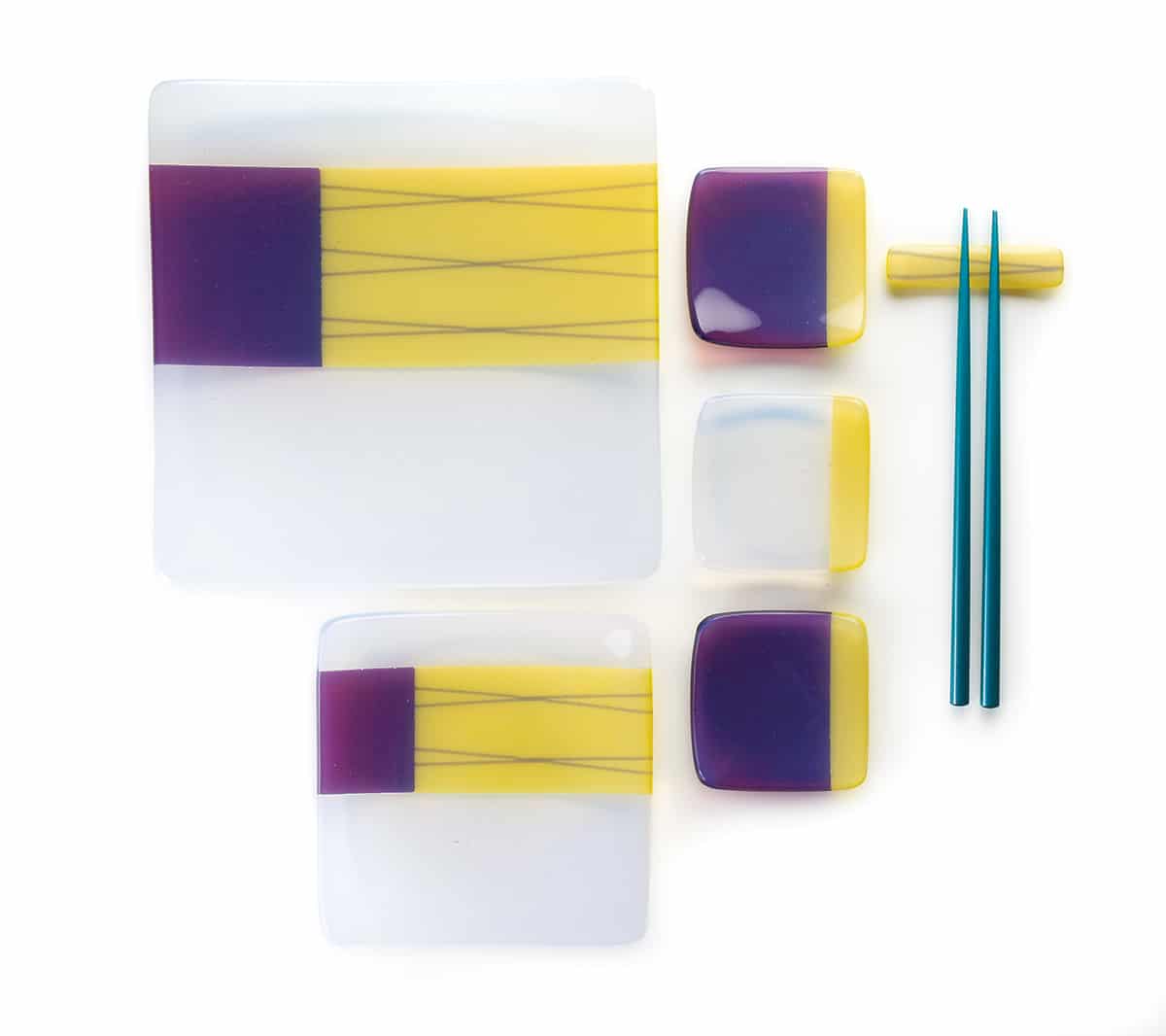
Make-It Project: Opaline Sushi Set
Wow your friends and showcase your favorite bites with this luminescent set. How this project Works Opaline Striker transforms Canary Yellow and Fuchsia into an exciting, modern palette with unique…
-
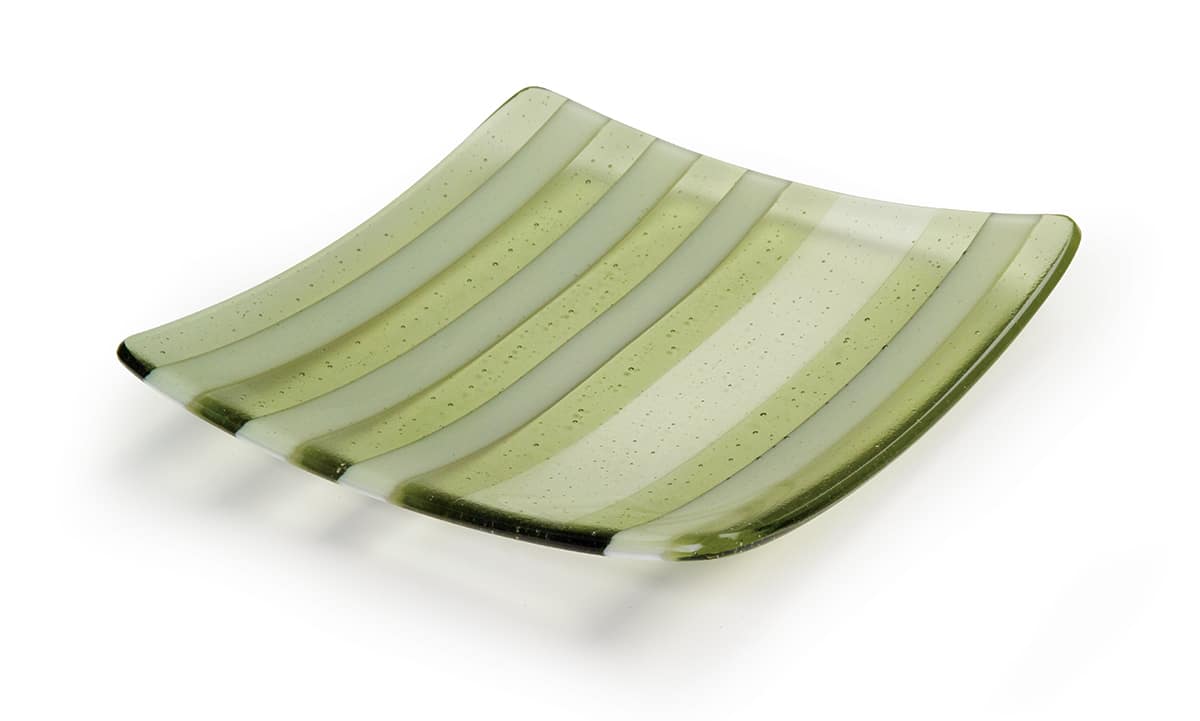
Make-It Project: Tint Tone Plate
Create a series of plates with subtle color design shifts using Bullseye Tints. Why this project Works This design is tailor-made for transparent glass styles with light color saturation like…
-
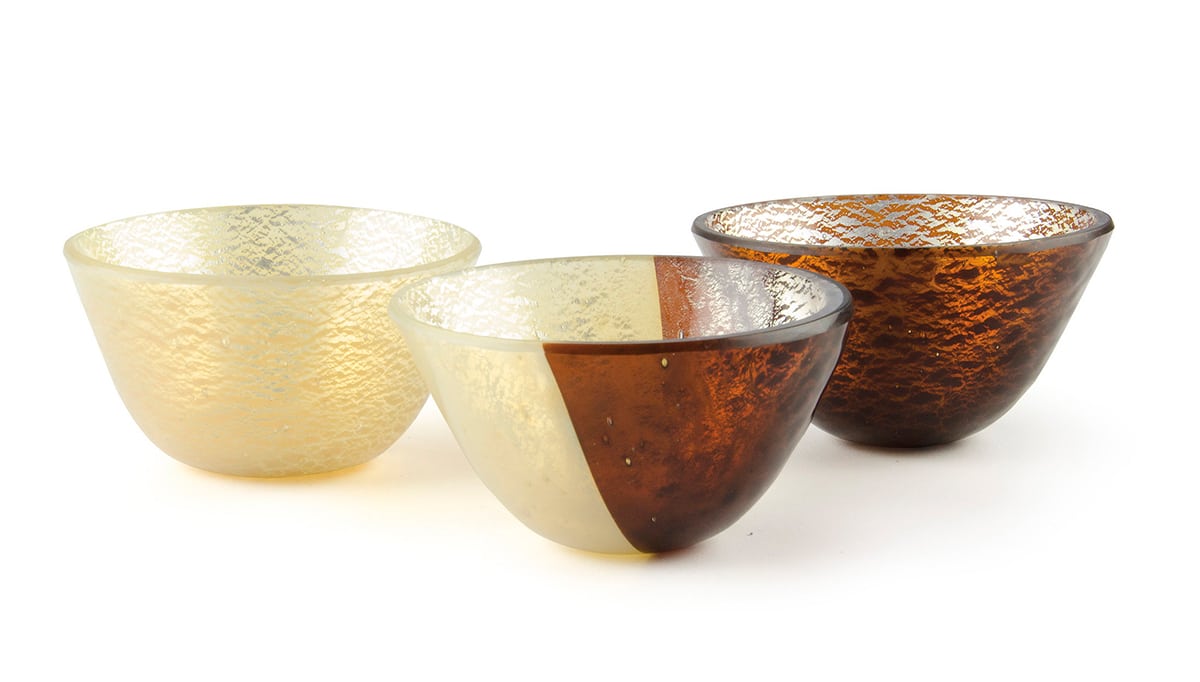
Alchemy Glasses
Alchemy Clear, Silver-to-Gold and Silver-to-Bronze 001015 Silver-to-Gold
-
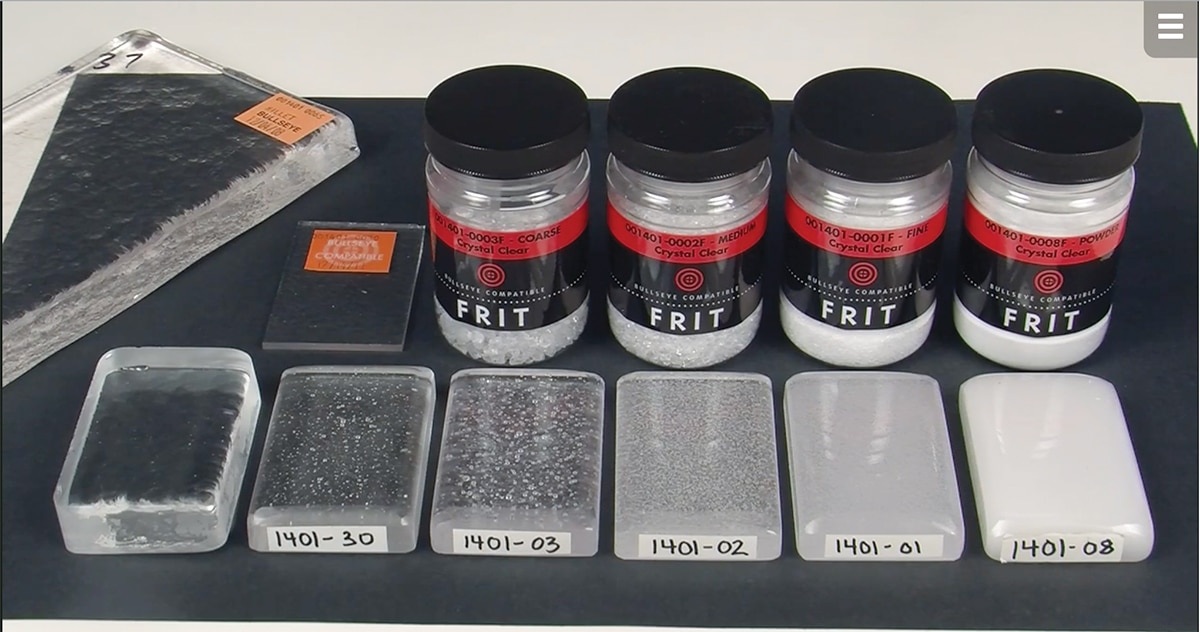
Bubble Population
Why does my transparent glass seem to turn white? Bubbles affect light transmission in transparent kiln-glass. As a result, the more bubbles your glass contains (i.e., the higher its “bubble…
-
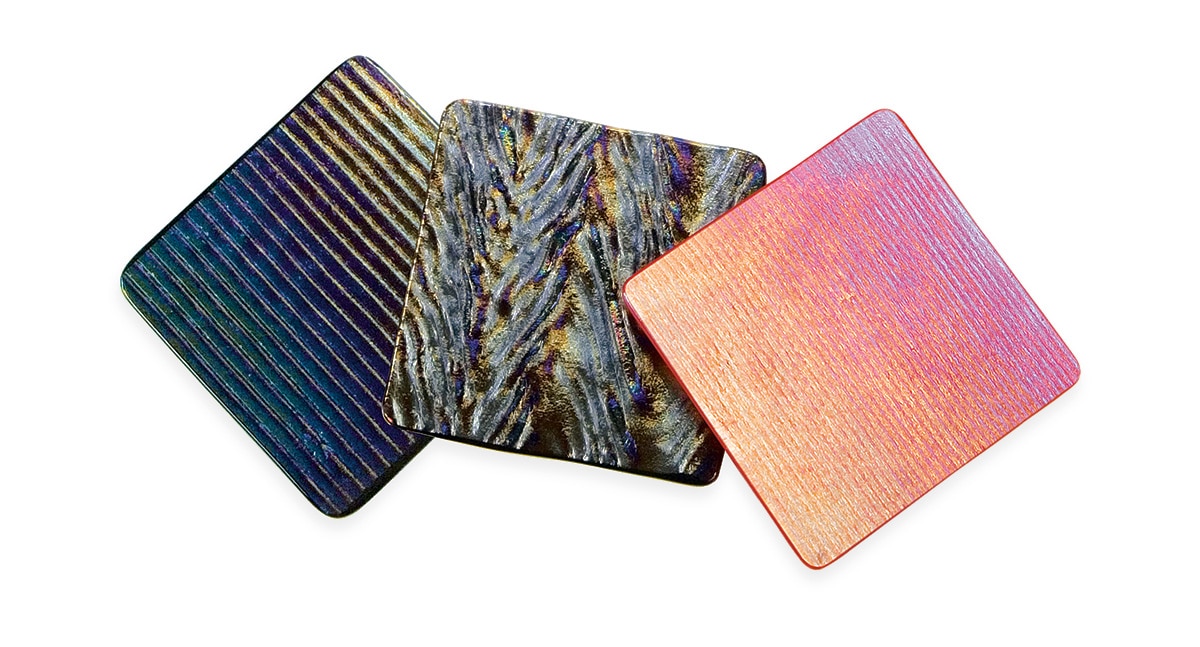
Bullseye Brainstorm: Textures & Irids
Jumpstart your ideas for using Bullseye textured and iridescent glasses by studying these examples. Each tile is made from two 4-inch squares of glass, each 3mm thick. The bottom piece…
-
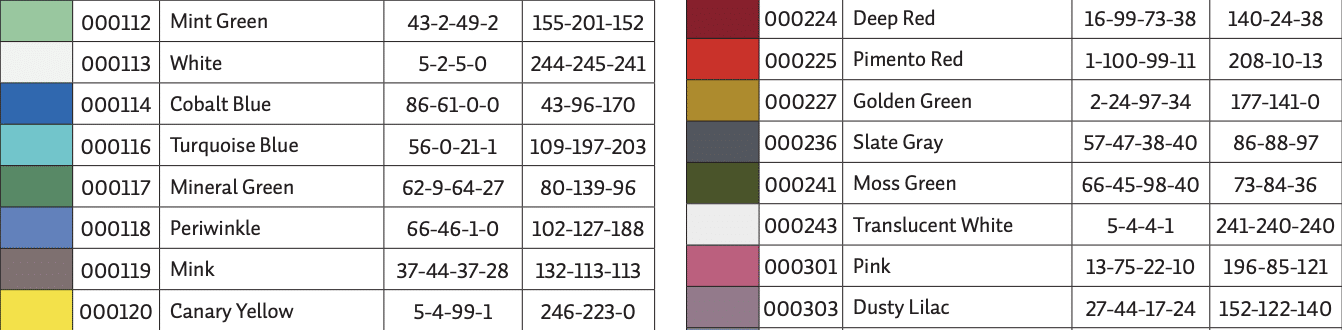
Color Conversion Chart
Do you use design software to develop glass fusing ideas? The Color Conversion Chart offers our best approximation of how Bullseye Glass styles looks in CMYK, RGB and HEX CODE…
-
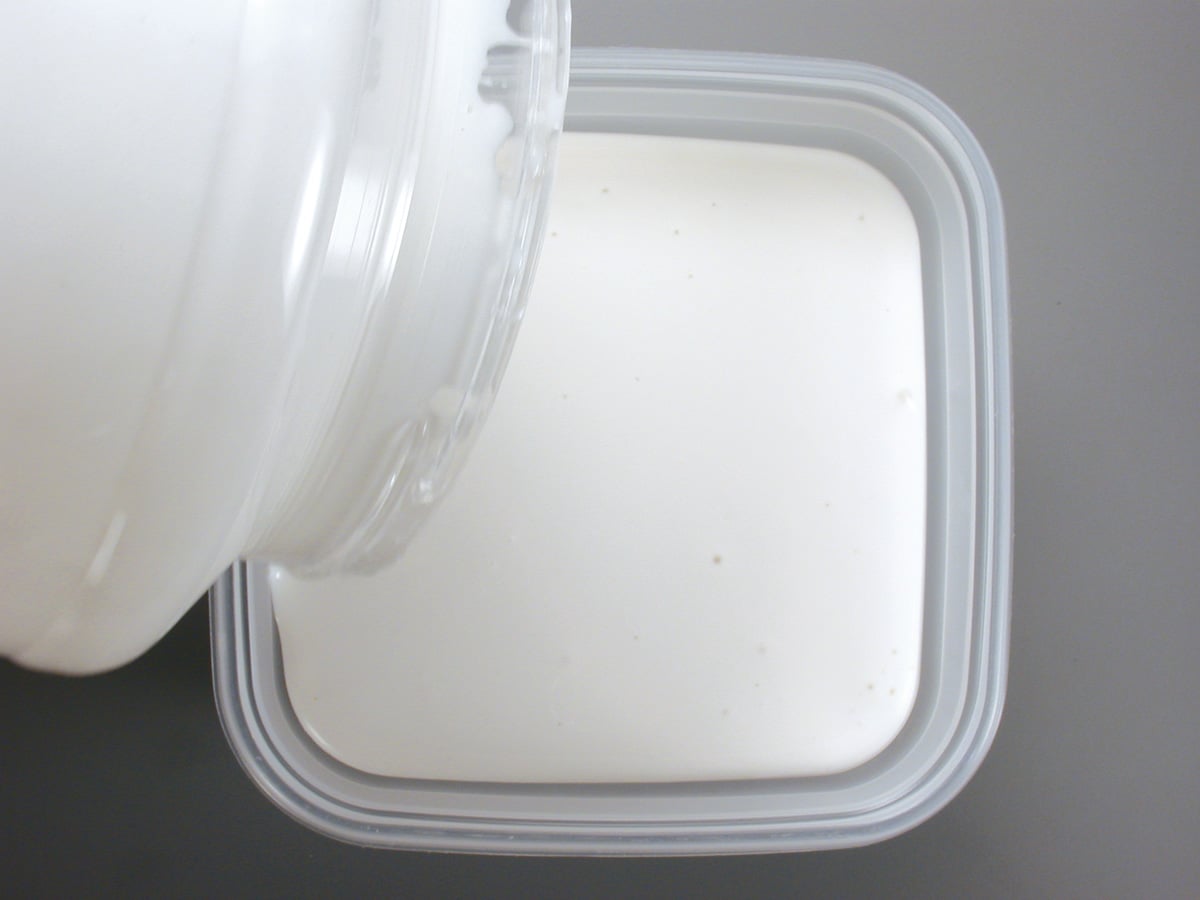
Bullseye Investment Mixing Instructions
Safety First Mix in a well-ventilated area while wearing a NIOSH-approved respirator. Mixing Steps Disposal Never pour investment down the drain.Instead, dispose of it with your normal household trash.
-
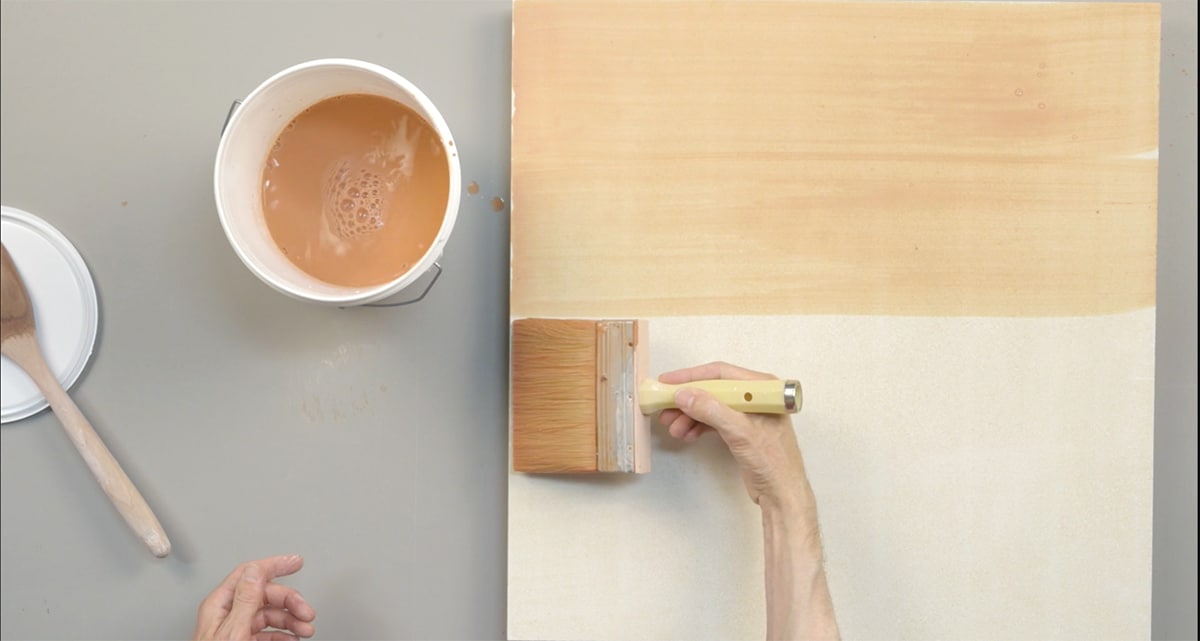
Using Bullseye Shelf Primer
Hot glass will stick to most ceramic surfaces and crack as it cools, unless prevented by a separator like Bullseye Shelf Primer. Careful application of our primer to shelves and…
-
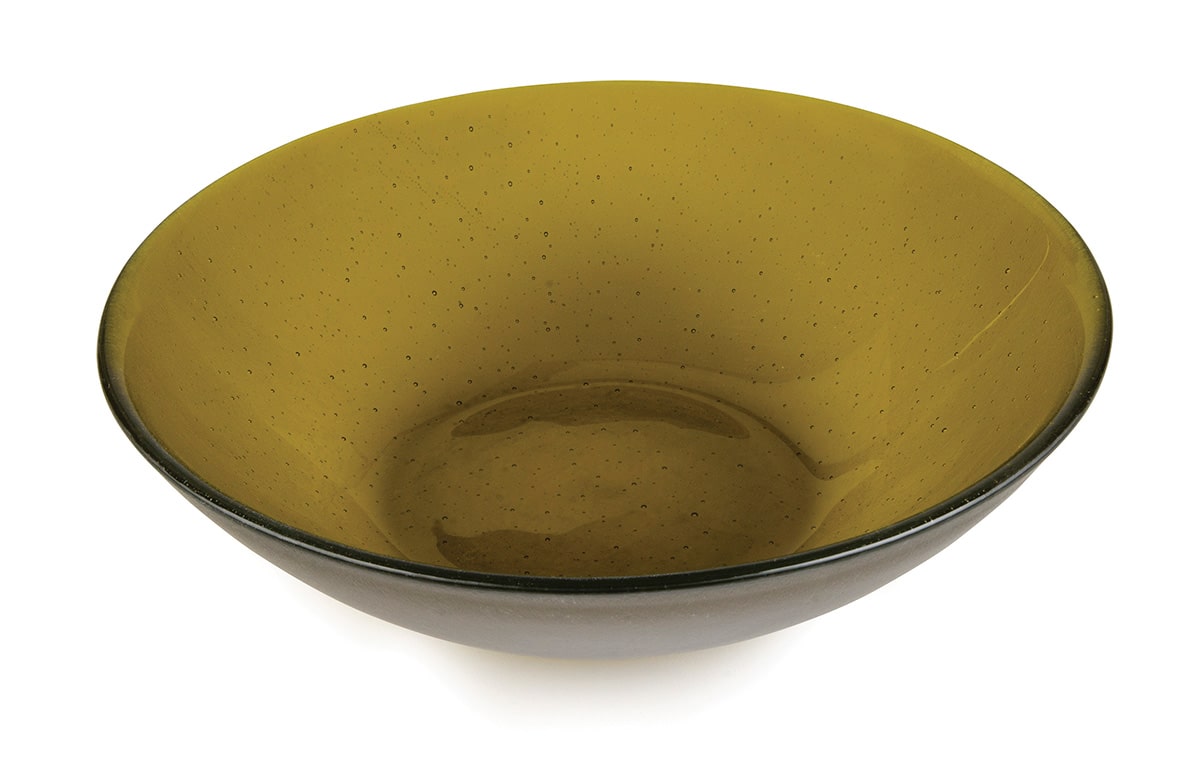
Mold Tips: Using Bullseye Slumping Molds
Bullseye slumping molds are slipcast from a specially formulated clay body. They have an exceptionally smooth surface and accept kilnwash uniformly. If prepared with Bullseye Shelf Primer and handled properly,…
-
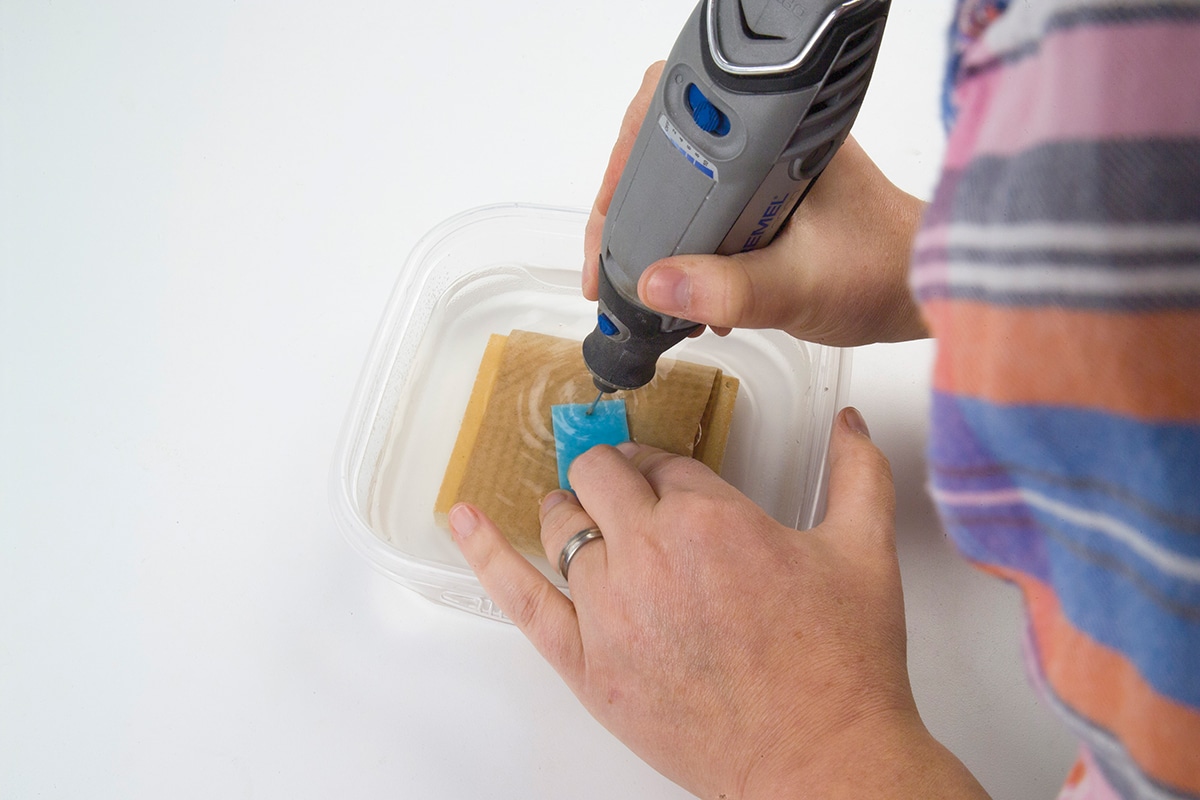
Drilling Small Holes
These directions apply to using our 2.1 mm drill bits (007239) to produce high-quality holes with minimal blow-outs (chipping out the back side) in small-scale pieces of fired or unfired…
-
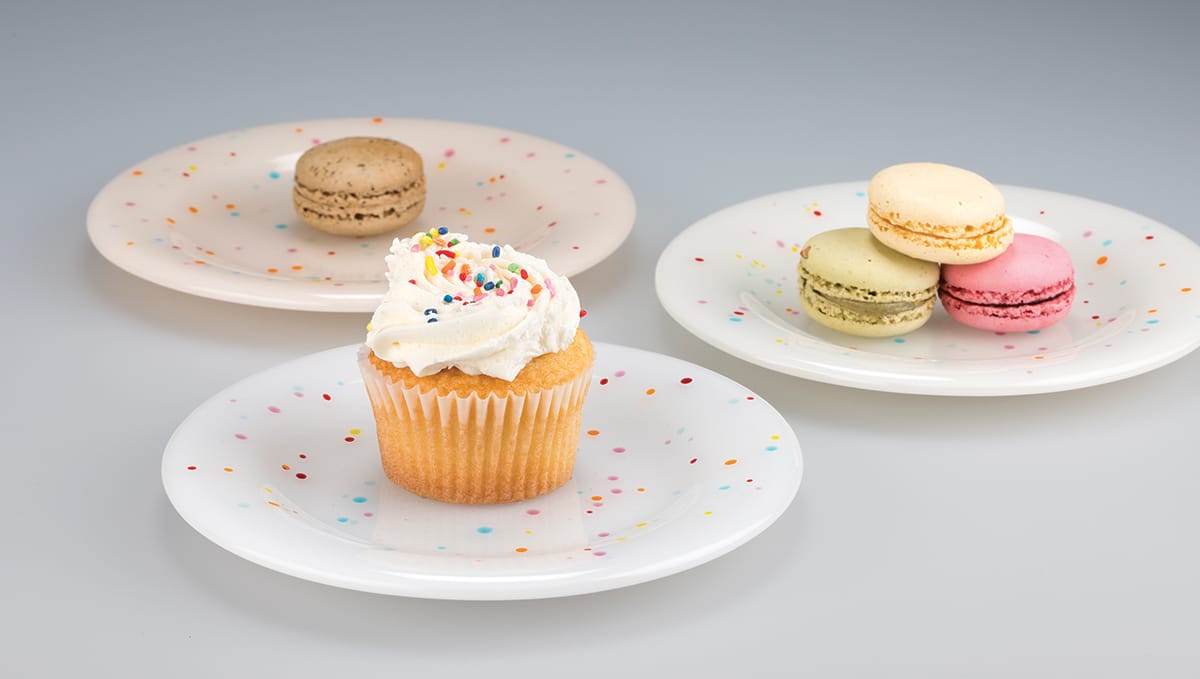
Food Safety
This article details standard Bullseye Catalog sheet glasses* that contain more than 1.0% lead (Pb) or more than 0.5% cadmium (Cd). If you use any of these styles for food-bearing…
-
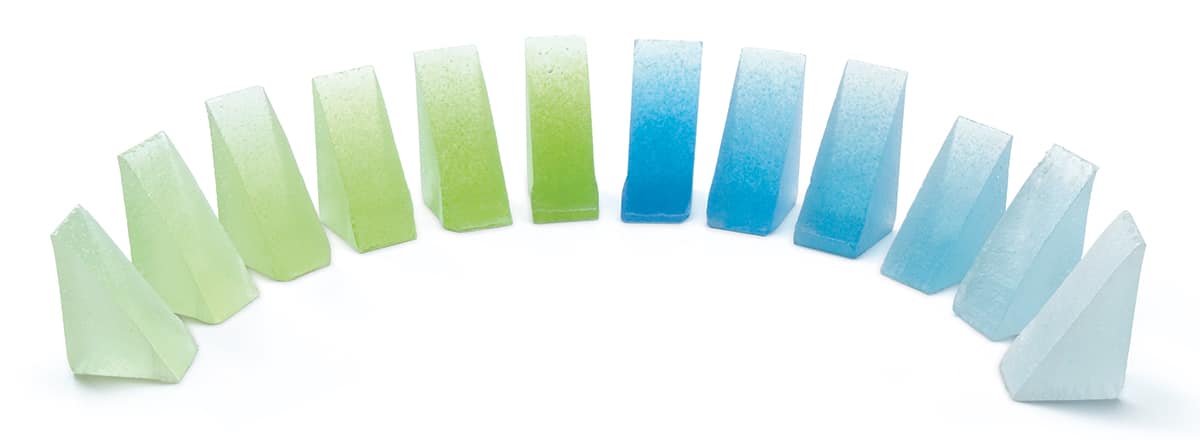
Frit Tinting
Frit tinting is a method that allows one to create specific color blends for kilncasting and pâte de verre. The process involves “tinting” or coloring clear glass by adhering colored…